Winterizing your sprinkler system is a crucial step in northern Nevada
Here are a few helpful tips
As residents of northern Nevada, we are no strangers to the harsh winter elements that sweep through the Sierra Nevada Mountains. The freezing temperatures and heavy snowfall can wreak havoc on unprotected sprinkler systems, leading to costly repairs and potential water damage. Here are a few tips on how to winterize your sprinkler system, a crucial step in safeguarding your investment and ensuring your lawn and landscaping remain healthy and vibrant come spring. By taking the time to properly shut down and protect your system, you can avoid the headaches and expenses associated with burst pipes, damaged valves, and other winter-related issues. Don’t let the winter weather catch you off guard. Make winterizing your sprinkler system a priority.
Winterizing your home or business sprinkler system involves a series of steps that will protect the pipes, valves, and other components from the harsh effects of the freezing temperatures in northern Nevada.
First, you’ll need to shut off the main water supply to your sprinkler system. Typically located near the home’s foundation or in the basement. Once the water is turned off, you’ll need to activate the system’s drain valves, allowing any remaining water to be expelled from the pipes. This step is essential, as any water left in the system can freeze and expand, leading to burst pipes and other expensive repairs.
For those equipped with an automated sprinkler system, it is imperative to thoroughly drain the water from pipes and sprinklers prior to the onset of freezing temperatures. It is advisable to initiate winter preparation for your irrigation system around the time autumn leaves begin to fall. There are three prevalent methods for draining sprinkler systems before winter: manual drain, automatic drain, and blow-out.
Manual Drainage
Open every manual valve, including those located near the manifold. Elevate all fittings slightly to guarantee complete drainage. Failure to remove all water can lead to cracking of the fittings.
Automatic Drainage via Flush Valves
Your system may feature flush valves positioned at the low points within the line. Each time the system halts, thereby reducing water pressure, these valves will automatically open to allow any residual water to drain. It is vital to verify that these valves are operating correctly.
Blow-Out Method
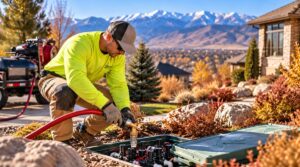
This technique employs compressed air to expel water from the lines. You have the option to perform the blow-out procedure yourself using a standard homeowner-grade air compressor (requiring a minimum of 40-50 PSI). If you are not sure about doing this your self, Premium Lawn & Landscapes offers winterization services which include a comprehensive system inspection.
Upon successfully draining the majority of water from the system, it is essential to remove any components such as timers, filters, and pressure regulators. Store these items in a location protected from freezing conditions. Seal the open end of the faucet with a female hose fitting to help prevent dirt and pests from infiltrating the system during the winter months.
Pipe Wrap Insulation
Pipe Wrap Insulation
Backflow Valve Cover
Backflow Valve Cover
It's crucial to properly winterize your sprinkler system to prevent costly damage
Properly winterizing your sprinkler system is crucial for several reasons. It prevents the costly and inconvenient repairs that can result from frozen pipes and damaged components. Burst pipes can lead to water damage in your home, and repairing a sprinkler system can be a significant expense. Additionally, a properly winterized system will be ready to go when the warm weather returns, allowing you to enjoy a lush, green lawn and garden without the hassle of dealing with a malfunctioning sprinkler system. If you are not sure about how to winterize your sprinkler system yourself, give us a call and enjoy the peace of mind that Premium Lawn & Landscapes has got you covered with a well-protected system.