Softscaping landscape materials and design
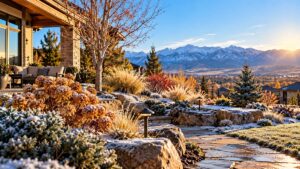
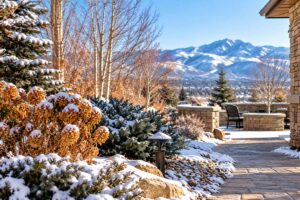
Softscaping refers to the incorporation of living, organic elements into a landscape design. These elements not only provide beauty but also contribute to environmental benefits, such as improved air quality and habitat for wildlife. This includes the strategic placement of plants, trees, and other vegetation to enhance the aesthetic appeal and functionality of an outdoor space.
Clearly defining both the boundaries and focal points within a garden, softscaping can greatly enhance the overall design while offering a variety of textures and colors. Softscaping elements, such as lush greenery, colorful flowers, and meandering pathways, create a natural and inviting atmosphere, complementing the hardscaping features like paving, structures, and water features.
Incorporating seasonal changes through carefully chosen plantings ensures that the landscape remains dynamic and engaging throughout the year.
By blending the soft and hard elements, softscape helps to achieve a harmonious and visually appealing landscape that promotes relaxation, recreation, and connection with nature.
Ultimately, softscaping is essential for creating spaces that are not only visually stunning but also supportive of biodiversity and sustainable practices.

When you embrace softscaping, you’re not just enhancing your space—you’re also making a wonderful contribution to our local environment and your own well-being! Healthy soil and lovely greenery do so much more than tidy up the area; they help reduce pollution and improve water health, all while boosting both your physical and mental wellness. Plus, keeping that ecological balance is a bonus! With vibrant plants and blooming flowers, you’ll attract delightful wildlife like bees, frogs, and earthworms to your surroundings.
What are the various types of softscape materials?
Softscaping materials are an essential component of any well-designed landscape, providing both functional and aesthetic benefits. These materials include a diverse range of elements that can be used to enhance the natural beauty of your outdoor space.
One popular softscaping material is mulch, which can be made from a variety of organic materials such as wood chips, bark, or leaves. Mulch helps to retain moisture in the soil, suppress weed growth, and add a decorative touch to garden beds and pathways.
Another common softscaping material is gravel or crushed stone, which can be used to create pathways, driveways, or decorative accents. These materials come in a range of colors and textures, allowing you to customize the look and feel of your outdoor space.
Groundcovers, such as low-growing plants or mosses, are another type of softscaping material that can be used to add texture and visual interest to your landscape. These plants can help to prevent soil erosion, retain moisture, and provide a lush, natural look to your outdoor space.
Finally, water features, such as fountains, ponds, or streams, can be considered a type of softscaping material. These elements not only add visual appeal but can also provide a soothing, calming atmosphere to your outdoor environment.
Contact Premium Lawn & Landscapes for your next softscaping project.
Softscape Organic Materials
- Trees
- Shrubs
- Flowers
- Grass
- Plants
- Groundcover
- Perennial / Biennial Plants
- Bushes
- Gardens